
Understanding the use of proper symbols and nomenclature is important for many fields, including medicine.
In this example, pacemaker codes were developed to allow practitioners to understand the mode of operation of a pacemaker regardless of the specific model.
Note: "Inhibited" means that this mode of response is to withhold a pacemaker output in the presence of a sensed cardiac activity.
Examples:
1. VVIOO mode: a single chamber pacemaker is set to pace the ventricle when intrinsic cardiac activity is not sensed in the ventricle. Extra programs and anti-tachycardia functions are not set.
2. DDIRD mode: both the atrium and the ventricle may be paced when intrinsic cardiac activity is not sensed; the rate can be increased as required (for example, when the patient is exercising) and pacing and or an electrical shock will be delivered should the patient require this in the event of a life threatening intrinsic high heart rate.
3. AAIOO mode: atrial-only pacing when intrinsic cardiac activity is not sensed in the atrium. There is no ventricular sensing or pacing.

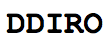

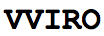

The pacemaker can be inhibited in one or both chambers and can pace in one or both chambers. This mode allows for an increase in the pacing rate if the patient's activity level increases.
The pacemaker can sense intrinsic cardiac activity in the ventricles only, and the pacer rate may be modulated according to the patient's metabolic demand.
If no intrinsic atrial activity is sensed, then atrial pacing only is initiated.
The patient may experience a shock if a high heart rate (tachycardia) occurs.
This pacemaker will pace regardless of the patient's own intrinsic rhythm.